
About Winner Digital Limited
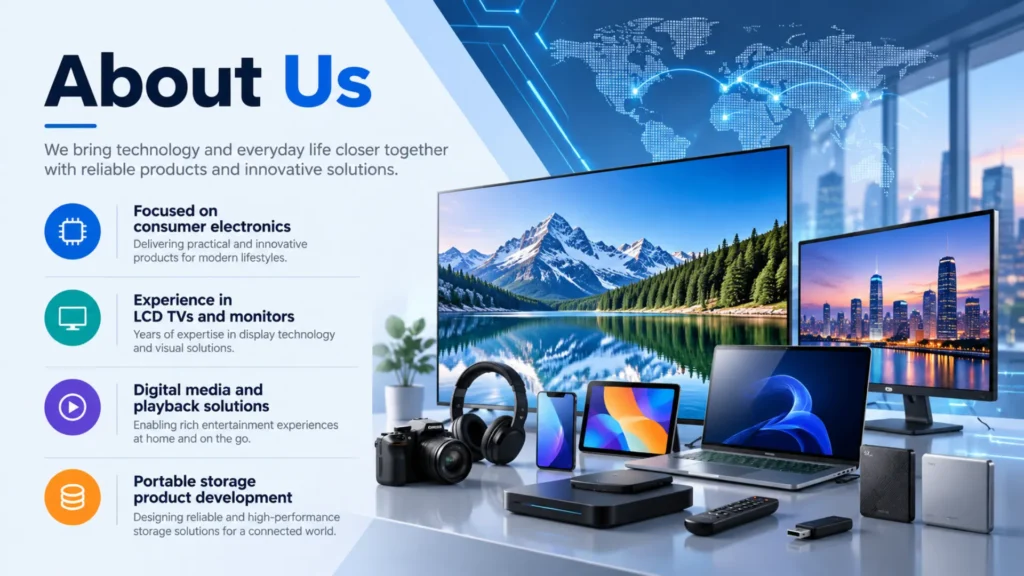
Winner Digital Limited was described in its historical website material as a private business enterprise involved in the study, development, and production of consumer electronic products. The original company description referred to several categories of digital equipment, including LCD televisions, computer monitors, DVD and VCD players, MP3 players, and USB storage devices. These product categories illustrate the growing relationship between entertainment technology, computer hardware, and portable digital media during the early development of widely accessible digital electronics.
The company’s historical presentation also emphasized manufacturing processes, production equipment, product quality, and customer service. These themes reflected important considerations within the electronics industry, where component reliability, assembly consistency, and technical compatibility influence the performance of finished products. The available archival information provides background on the company’s stated business interests and historical product focus, although it does not independently establish its present operating status or manufacturing capabilities.
Historical Business Background
The consumer electronics industry experienced significant technological changes during the late twentieth and early twenty-first centuries. Digital circuits gradually became common in home entertainment equipment, display systems, and portable electronic accessories. As semiconductor technology improved, manufacturers were able to introduce products with more compact designs and increasingly sophisticated processing capabilities. The historical product categories associated with Winner Digital Limited reflect this period of electronic development.
The combination of display equipment, optical media players, audio devices, and removable storage products represented several important areas of consumer technology. These devices were used in households, offices, educational settings, and other environments where access to digital information was becoming more common. Their development depended on electronic component availability, manufacturing precision, and support for widely adopted technical standards.
Product Categories and Technical Applications
The historical company information identified television and monitor equipment as part of its electronic product interests. These devices convert incoming electronic signals into visual images using display panels and associated processing circuitry. The shift toward flat-panel technologies influenced screen design, installation flexibility, and the physical dimensions of consumer display equipment.
Other product categories included optical disc players, portable digital audio players, and USB storage devices. DVD and VCD players supported recorded video distribution, while MP3 players provided a portable way to listen to compressed digital music. USB storage devices made it possible to move files between compatible computers and electronic systems. Although the underlying technologies have continued to evolve, these product categories remain relevant to the history of digital media and personal electronics.
Quality Management and Technical Documentation
Quality management is an important part of electronics manufacturing because finished products depend on the interaction of numerous components and production processes. Common manufacturing practices include incoming material inspection, circuit testing, assembly verification, functional testing, and evaluation against applicable product requirements. International standards can provide frameworks for organizing these processes and documenting consistent operating procedures.
Technical documentation is equally important for understanding the capabilities and limitations of electronic equipment. Product manuals, specification sheets, electrical ratings, and compatibility information help users identify appropriate operating conditions. When examining historical electronic products, original model-specific records are more reliable than general descriptions for confirming particular features, certifications, or performance characteristics. Preserving accurate technical information helps maintain a useful historical record of consumer electronics and their development.